

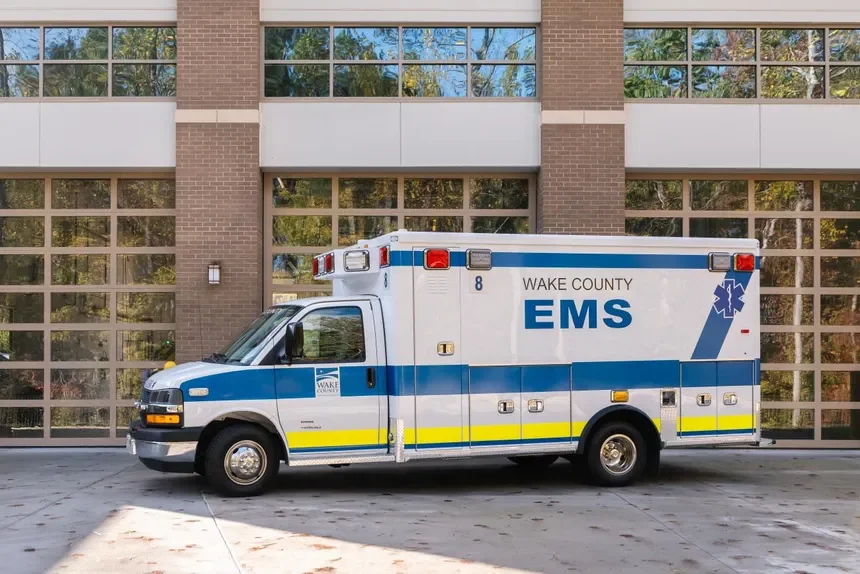
Wake County Emergency Medical Services (EMS) is actively rolling out a modernized, clinically driven 911 call response plan across the county throughout 2026. The strategic reform shifts dispatch protocols toward a nuanced clinical triage model designed to ensure that advanced life support ambulances and specialized paramedic personnel are prioritized for critical, life-threatening emergencies. By distinguishing urgent clinical emergencies from low-acuity medical incidents, EMS dispatchers can optimize fleet allocation and shorten response intervals for time-sensitive interventions.
A cornerstone of the modernized response plan is a substantial reduction in the routine use of emergency lights and sirens during transit to non-life-threatening calls. County emergency officials cited extensive local and national clinical studies showing that lights-and-siren operation shaves minimal time off travel durations while exponentially multiplying crash risks for first responders, patients, and civilian motorists. Restricting audible and visual warnings to verified critical calls significantly bolsters public roadway safety across Wake County's congested transit arteries.
Throughout August and early September 2026, Wake County EMS leadership conducted a series of in-person and virtual public information sessions across Raleigh and surrounding municipalities to explain these procedural changes to residents. Community meetings held at the Wake County Emergency Services Education Center provided an open platform for citizens to ask questions regarding dispatch protocols, response time expectations, and the county's continued commitment to providing high-quality pre-hospital clinical care.
